History

Yosemite Conservancy Launched in 2010

 The new Yosemite Conservancy was officially introduced to the public in June 2010 with a celebratory event in Yosemite Valley attended by supporters, community members and staff.

Yosemite Conservancy was formed from the merger of two leading non-profits–Yosemite Association and The Yosemite Fund.

Watch Launch Video

The merger was a natural progression in the two organization’s histories, bringing together over 100 years of combined experience in the park and a shared passion: to protect Yosemite for current and future generations.

Yosemite Association

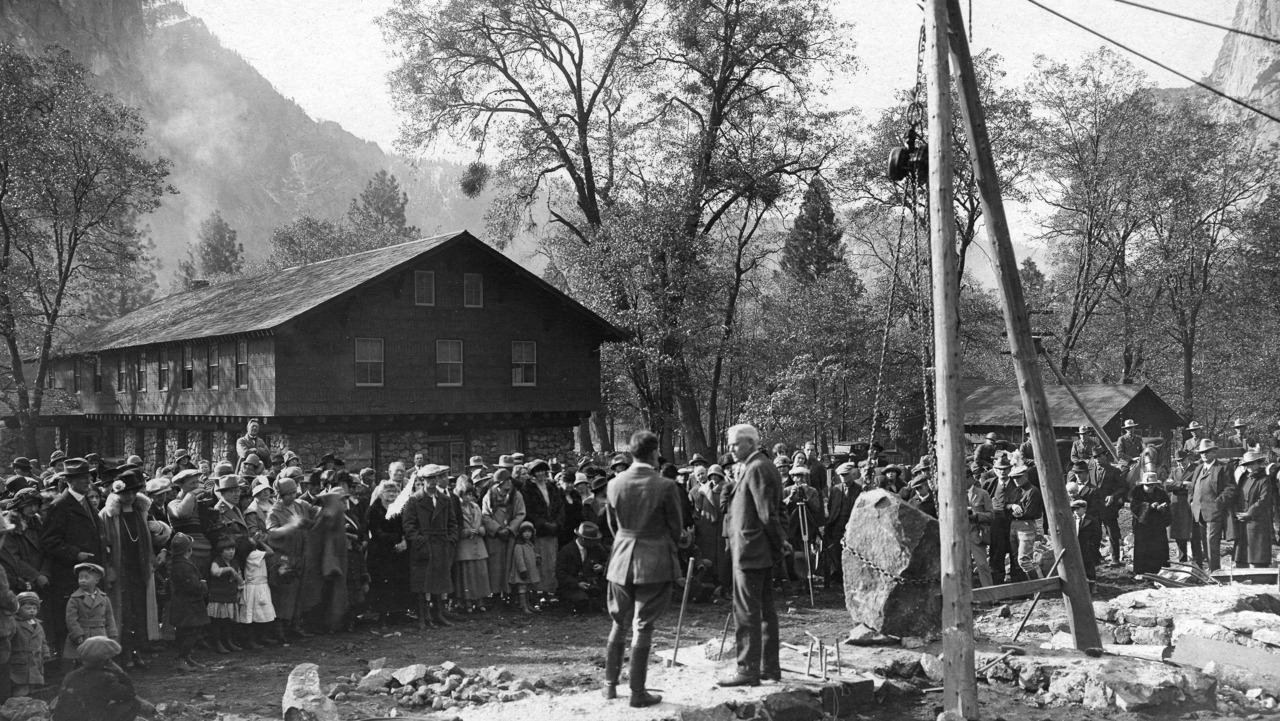
The Yosemite Association was established in 1923 as the nation’s first ‘cooperating association’ with the National Park Service (NPS), providing volunteer, outdoor learning and educational programs.

The Yosemite Fund

The Yosemite Fund evolved from the Association (becoming a separate organization in 1988) as the primary fundraiser for Yosemite. The Fund has raised more than $55 million, for over 300 projects ranging from trail repair to wildlife research, since its inception.

A First for National Parks, California and the World

Yosemite Association set the early model for many of today’s park cooperating associations. It was the first nonprofit organization within a national park in the United States and the world.

The first fundraising organization, 1923
The first cooperating association, 1923
The first fee based theater program, 1926  
The first cooperating association to create a modern fundraising program, 1956

Today there are over 65 national park cooperating associations, serving the 392 areas of the national park system.

Highlights and Accomplishments

2010    
The Yosemite Association and The Yosemite Fund reunited on January 1, 2010 to form Yosemite Conservancy.

2009    
The Association led its first hiking trip to Yosemite’s sister national parks in China and resumed management and publicity of Yosemite’s theater program.

2008
Tunnel View Restoration, a Centennial Challenge Project funded through The Fund restored this historic vista.

2006

Launch of Campaign for Yosemite Trails. The Fund’s ambitious five year campaign to restore miles of trails across the park, dramatically improve public access, stop damage and restore adjacent sensitive habitat. Learn more about Yosemite Trails Restoration. 

 The Association began operation of the Yosemite Art and Education Center which hosts free art classes for the general public taught by renowned artists who volunteer as teachers.  

2005    
The Association joined with the nonprofit Leave No Trace Inc. to promote outdoor skills and ethics.  Information was disseminated through the Wilderness Center and in trainings by the Association’s seminar program.

2004
Grinnell Resurvey began providing valuable evidence of new species: part of ongoing research supported through The Fund.

2000

Giant Sequoia project work continued in Tuolumne Grove with new educational exhibits funded through The Fund.

1999    
The Yosemite Wild Bear Project was created to maintain a healthy bear population by using bear management practices and public education.  The Association created Keep Bears Wild merchandise with sales helping to fund the project.

The NPS began requiring backpackers to carry bear-proof canisters in the Yosemite Wilderness and these were rented through the Wilderness Center. 

 Campaign for Yosemite Falls launched; The Fund raised over $13.5 million and transformed the trails and visitor amenities leading to Lower Yosemite Falls.

1997
Glacier Point Restoration is unveiled as iconic visitor destination by The Fund.

1993-2000
The Fund provides for the installation of over 2000 steel bear-proof food lockers being installed throughout Yosemite.

1995    
The Wilderness Center in Yosemite Valley opened and was staffed by Association employees who sold books and maps for backpackers, provided information for trip planning, and processed Wilderness reservation requests.

1990
The Fund developed a Corporate Volunteers program to help with Black Oak Woodlands Restoration, beginning a strong partnership of assisting NPS.

1988    
The Association was asked by the NPS to create a separate fundraising entity and The Yosemite Fund (The Fund) was created. The office of the new organization was relocated to San Francisco.
    
Volunteers began assisting NPS with restoration projects at locations throughout the park.  Their donated labor accomplished invasive species removal and habitat restoration projects.

1986
Re-introduction of bighorn sheep into Yosemite high country.

1985    
The Yosemite Museum Association changed its name to the Yosemite Association. Key partnerships were established with foundations and corporations, including Chevron, American Savings & Loan and the Goldman Fund.  

Members began volunteering to assist NPS at key locations in the park by providing visitors with information to help make the most of visiting Yosemite.

1984    
At the urging of NPS, the Association embarked on the “Return of Light Campaign” to raise funds to implement key elements of the NPS 1980 General Management Plan. This ultimately led to the formation of The Yosemite Fund.

1981
The Association partnered with NPS and Yosemite Park and Curry Company to renovate the Pohono Indian Studio into the Art Activity Center.  It also began its Naturalist Intern Program with students from the University of California at Davis. The program helped broaden the NPS interpretation program.

1974    
The Association took over operations of the Ostrander Ski Hut.  A rustic two story stone structure, built by the Civilian Conservation Corps in 1941, it has lodged cross country skiers who bring in their own food and gear.

1971
At the request of the NPS, the Association created a program of outdoor educational courses. The program is now known as Yosemite Outdoor Adventures and offers courses in backpacking, writing, art, Indian heritage, natural history, and photography.

1940-1970
The history of the Association for these three decades was largely the history of the NPS naturalist division.  The chief naturalist served as director of the Association during these years, and was responsible for policy and business decisions with the guidance of a volunteer board of trustees.

1956    
The Association created a revolving fund for land acquisition in the park.  About 25 lots were purchased for the NPS in Foresta and other properties, including several in El Portal, were acquired.

1930    
The Junior Nature School, known today as the Junior Ranger program, was created to enhance the nature study experiences of children.  This program was supported by the Association and enabled young people, accompanied by NPS nature guides, to experience the many aspects of Yosemite’s natural history during walks in the field.

1926     
The Yosemite Museum opened.  It contained exhibits, a library, storage facilities, a classroom, offices, and caretaker’s quarters.  Today it houses the research library, the museum collection, two galleries, and park offices.

1925    
Glacier Point Lookout was constructed, also known as the Geology Hut, as an outpost of the Yosemite Museum.
Yosemite Nature Notes, the monthly publication written by park service naturalists is produced as booklets.  This evolved to include full color editions on special topics published by the Association and sold to the public.

The Yosemite Field School of Natural History, a summer institute for training naturalists to work both in and outside the park, was created with Association support.  A seven-week summer field course with an extensive curriculum distinguished this institute from typical university offerings in the natural sciences. It graduated hundreds of skilled naturalists who worked throughout the country in many public and private agencies.

1924    
The Association expanded its purpose and changed its name to the Yosemite Natural History Association.  These purposes included support of the museum and research library, publication of Yosemite Nature Notes, gathering and disseminating information about Yosemite’s human and natural history, supporting the park’s education programs, and studying Yosemite’s Indian heritage.  An advisory board comprised of eminent educators, scientists, anthropologists, and national public figures was established.

  1923    

The Yosemite Museum Association was formed to administer the private funds raised to build a bigger museum.  Ansel Hall, one of the incorporators of the Association and Yosemite’s first park naturalist, was instrumental in the fundraising for and construction of the museum.


Providing for Yosemite's Future
© Copyright Yosemite Conservancy 2010